
Entrances and daily activity at home
For a terrace house, semi-D, bungalow or condominium, we normally discuss entrances, vehicle approach, family use and where cabling can run without unnecessary disruption.
Residential security planningCamera positions, lighting, cable routes, recording needs and the people using the footage shape a CCTV installation. Nobel works across Klang Valley.
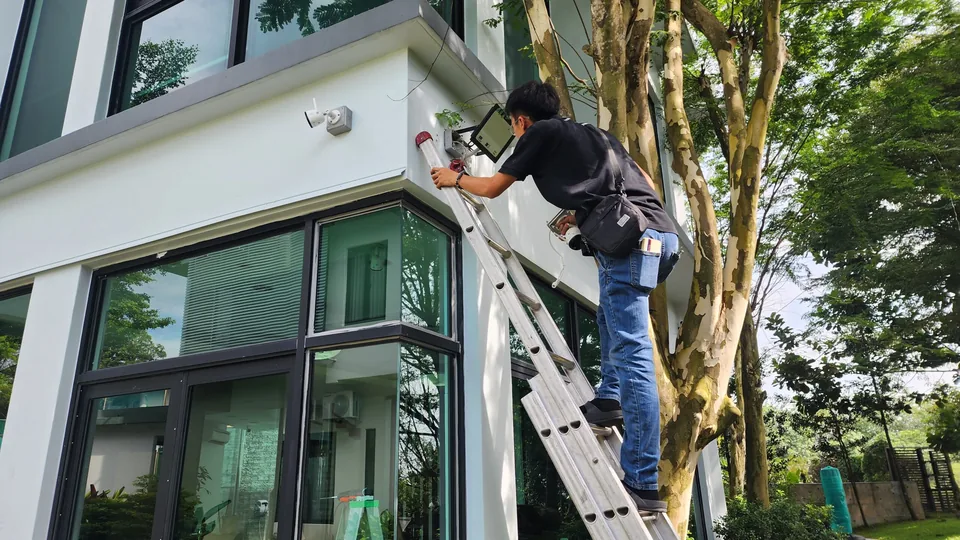
A front gate, shop entrance and warehouse loading area need different views. Camera position should follow what the footage needs to show.
For a terrace house, semi-D, bungalow or condominium, we normally discuss entrances, vehicle approach, family use and where cabling can run without unnecessary disruption.
Residential security planningFor offices, shoplots, factories and warehouses, useful coverage may include staff or visitor entrances, loading areas, vehicle movement and what happens after working hours.
Commercial security planningCamera count is not the starting point. The useful questions are what needs to be seen, under which lighting conditions and how the footage will be used.
A wide overview and a close identification view do different jobs. Entrances, faces or number plates may require separate positioning and suitable lighting.
A camera can record at night without necessarily capturing an identifiable face or number plate. We check the scene, distance, angle and available light.
Wired cameras need practical cable paths. IP systems also depend on network layout, switch capacity and where recording equipment can be housed.
The number of cameras, image settings and required retention affect recorder and storage capacity. Remote viewing also depends on network connectivity and authorised access.
Analog, IP and wireless cameras can all be practical in the right situation. Existing infrastructure, coverage, recording and maintenance requirements matter more than the label.
Analog CCTV may suit a site with usable coaxial cabling or an existing compatible recorder. The condition and compatibility of existing equipment should be checked before reuse.
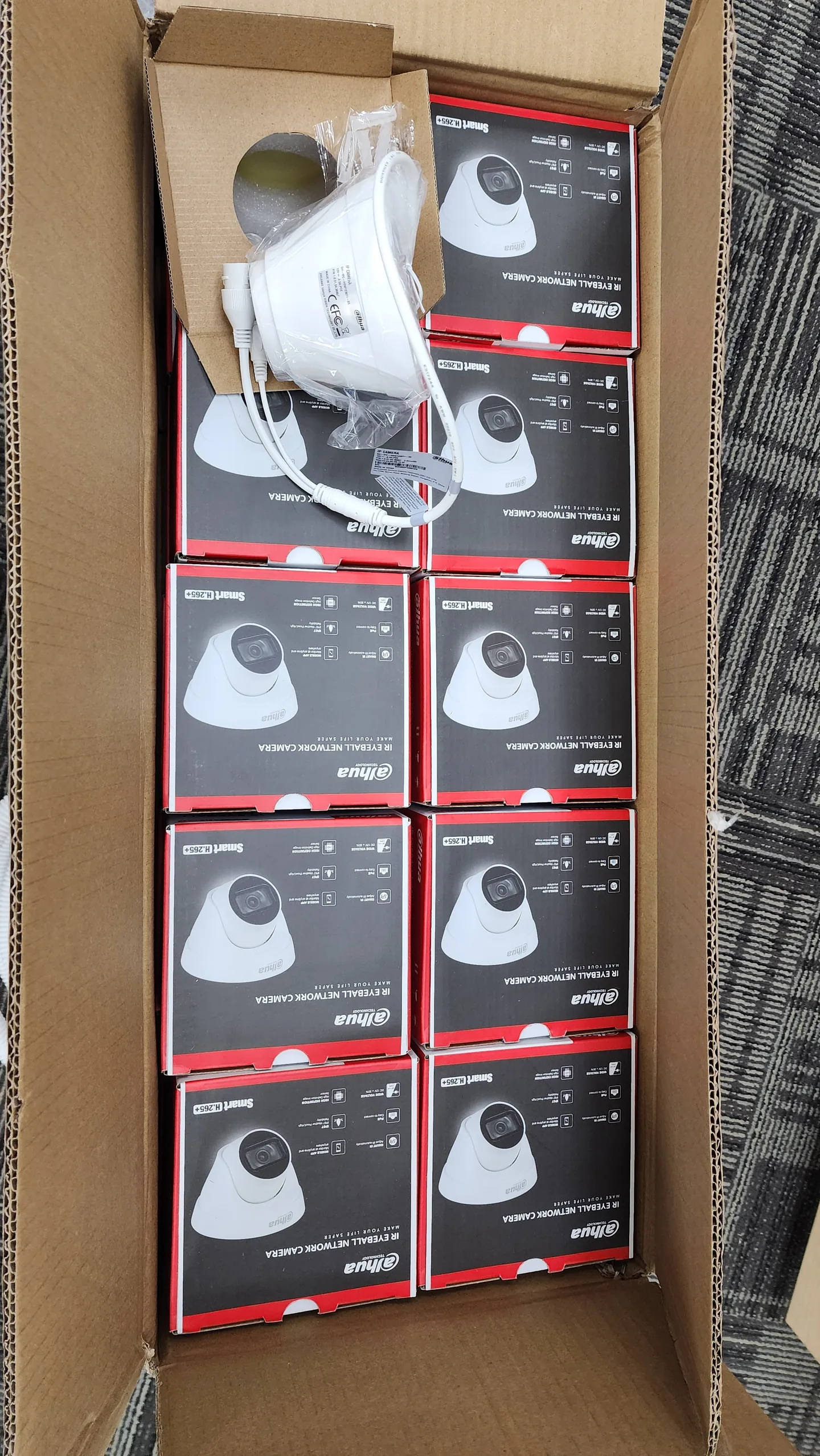
IP cameras can use network cabling and Power over Ethernet (PoE), subject to cable distance, switch capacity, network design and recorder compatibility.
Wireless cameras still need reliable power and network coverage. They may reduce data cabling in some finished properties, but placement and connectivity remain site-dependent.
Camera count follows the views required. It should not begin with a standard package. For more on camera views, cabling and recording, read our CCTV planning guide. A camera view helps with incident review; controlling who can enter is a separate requirement. For staff permissions or visitor entry, see our door access and intercom installation guidance.
We set up the recorder and remote viewing, check camera coverage and recording, and demonstrate how to find and play back footage. At handover, we provide the account details needed to use the system.
For Nobel's full consultation, installation and handover process, see how we work.
Completed CCTV projectsWe installed analog CCTV at Bibus Metals’ warehouse in Klang Westport, with remote viewing from a tablet, computer or phone. The Bibus Metals project below shows the installation.


The quotation depends on the views required, cable runs and access for installation, plus the recorder and storage needed for your recording period. Tell us the property type, areas to cover and any existing cameras or cabling.