
Understand the movement risks
A moving gate can create crushing, trapping, impact, and vehicle-conflict risks. Wear, poor alignment, failed sensors, or unsafe controls can increase those risks.
We assess the gate, opening, vehicle path, slope, wind exposure, and regular users before recommending automation.
Use suitable safety devices
Safety devices may include obstruction detection, photoelectric sensors, controlled force, warning indicators, secure controls, and manual release.
Each device must be positioned, configured, tested, and maintained for the actual gate.
Keep controls clear and secure
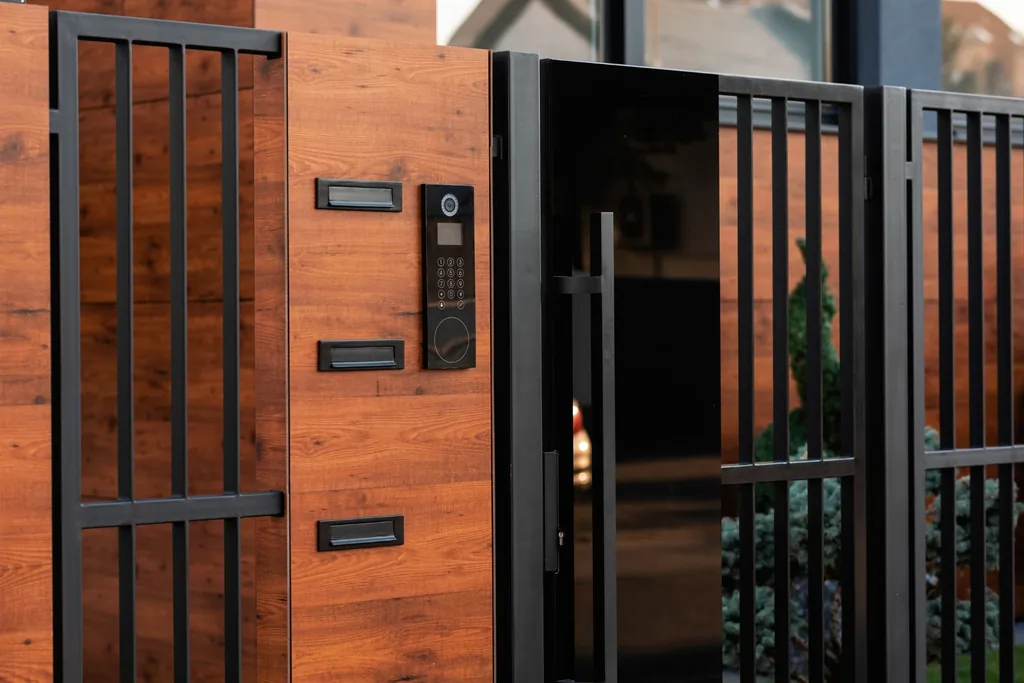
Remotes, keypads, intercoms, or other authorised controls manage gate operation. Lost or shared credentials need a clear replacement process.
Controls should let users operate the gate from a safe position.
Maintain the gate and motor
Routine checks should cover movement, noise, alignment, sensors, controls, manual release, and visible wear. Stop using the gate if operation becomes unsafe.
We provide installation handover and remain available for maintenance and repairs.
Plan for power loss
Authorised users should know how to enter or exit during power loss and how to use the manual release. Backup power, where fitted, also needs testing.
Keep the instructions accessible to the people responsible for the property.